ARPA-E In-Pipe Robotic Platforms for Infrastructure Inspection
@ Biorobotics Lab, CMU
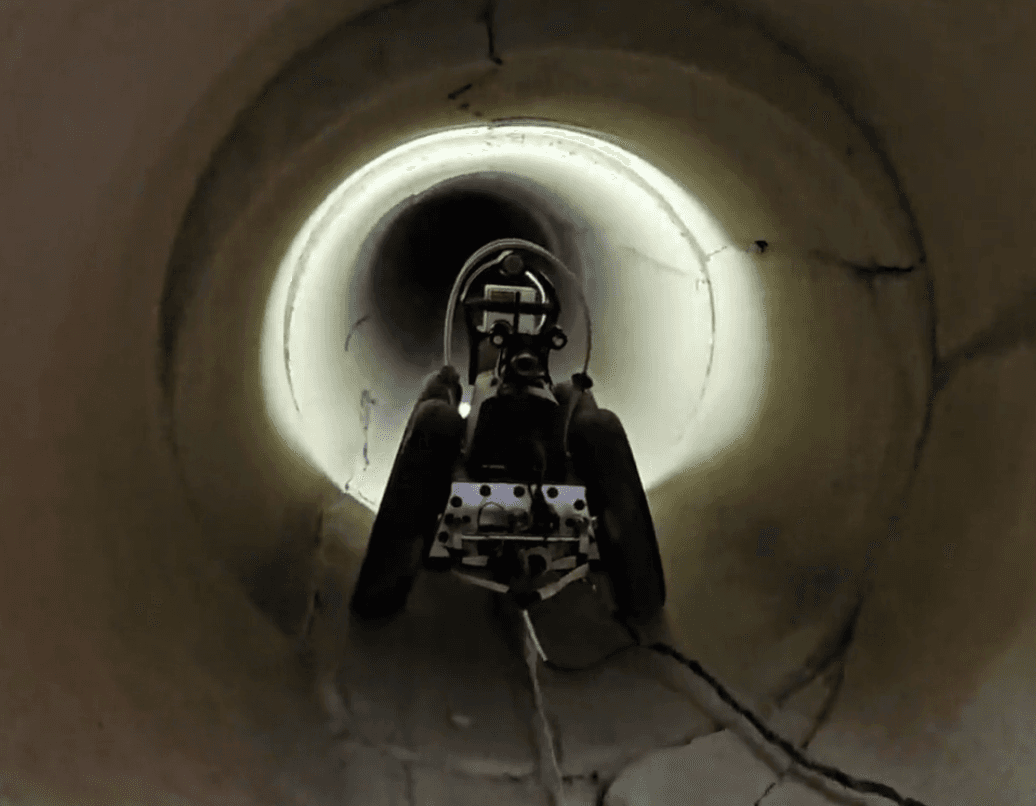
Introduction
Inspecting large-diameter stormwater and municipal pipe networks autonomously requires robots that can survive fully submerged, confined, and unpredictable environments — where waterproofing, modularity, and mechanical reliability aren't features, they're prerequisites.
This project contributed to the mechanical development of next-generation inspection platforms under ARPA-E funding. My focus was on ruggedized enclosure design, mechanical-electrical integration, and component validation for field deployment.
Engineering Focus
1. Mechanical Design & Packaging
Designed and refined ruggedized enclosures for sensors, batteries, and communication modules. Key constraints: waterproofing, manufacturability, and maintaining component access for field servicing without compromising seal integrity.
2. System Integration
Coordinated mechanical-electrical integration — ensuring clearances, mounting compatibility, and cable routing feasibility across onboard subsystems. Integration at this scale requires resolving conflicts between structural needs and electrical layout early in the design process.
3. Prototyping & Validation
Performed hands-on prototyping, fit-checks, and component validation to verify mechanical tolerances and assembly robustness under expected field conditions.
Discussion
Designing hardware for pipe inspection environments forces every decision toward reliability over elegance. Seals that are easy to open in a lab become failure points in the field. Cable routing that looks clean in CAD creates assembly nightmares at depth. This project built intuition for the gap between designed performance and field performance — and how to close it through deliberate mechanical choices rather than post-hoc fixes.
My Contributions
Designed mechanical housings for sensors and power modules under waterproofing, manufacturability, and integration constraints.
Coordinated mechanical-electrical integration: clearances, mounting compatibility, and cable management across subsystems.
Performed prototyping and fit-checks to validate tolerances and assembly robustness.
Assisted with early subsystem testing under expected field conditions.